Archives
Categories
Shoulder Dislocation and Instability
Specialised treatment for a shoulder joint that has moved out of its normal position, with the goal of restoring stability, movement, and function.

Restore Shoulder Stability. Regain Confidence. Return to an Active Life.
Shoulder instability occurs when the ball of the shoulder joint moves partially or completely out of its normal position within the socket. It may develop following a sports injury, fall, accident, or because of underlying ligament laxity and anatomical factors.
Patients may experience recurrent shoulder dislocations, pain, weakness, restricted movement, or a persistent sensation that the shoulder is slipping out of place.
While some shoulder instability conditions can be treated with physiotherapy and rehabilitation, recurrent dislocations or significant structural injuries may require arthroscopic shoulder stabilisation or reconstructive surgery.
Treatment focuses on identifying the underlying cause of instability, restoring joint stability, preserving the natural shoulder, and helping patients return to everyday activities and sports with confidence.
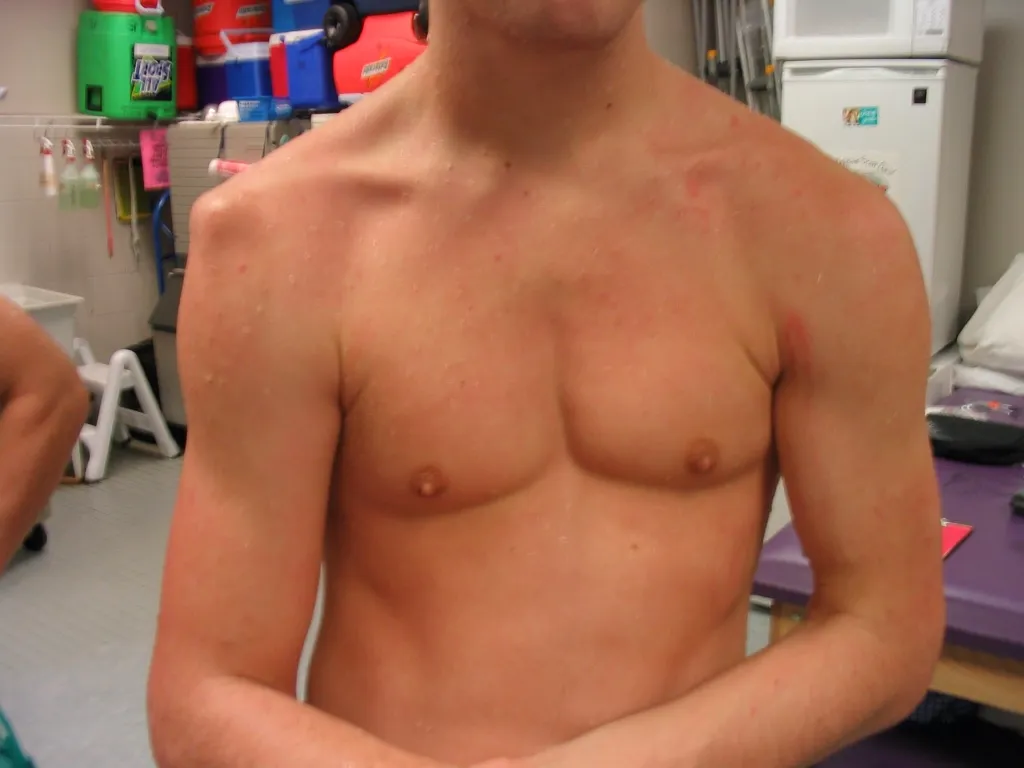
What Is Shoulder Instability?
The shoulder is a ball-and-socket joint formed by the rounded head of the upper arm bone (humerus) and a shallow socket in the shoulder blade (glenoid).
It is the most mobile joint in the body, allowing a wide range of movement. However, this extensive mobility also makes the shoulder susceptible to instability.
Several structures work together to maintain shoulder stability:
- Glenoid Labrum: A ring of fibrocartilage surrounding the shoulder socket that helps deepen the joint and improve stability.
- Joint Capsule and Ligaments: Structures that support the shoulder and restrict excessive movement.
- Rotator Cuff Muscles: Muscles and tendons that help maintain the humeral head within the socket during movement.
- Surrounding Bones: The shape and alignment of the humeral head and glenoid contribute to joint stability.
Injury or abnormalities involving these structures can cause the shoulder to become unstable.
Shoulder Subluxation: The ball partially slips out of the socket before returning to its normal position.
Shoulder Dislocation: The ball completely moves out of the socket, usually requiring medical assistance to restore its position.
Recurrent Shoulder Instability: Repeated episodes of dislocation, subluxation, or a persistent feeling that the shoulder may give way during movement.
What Causes Shoulder Dislocation and Instability?
Shoulder instability can develop following trauma or because of underlying structural or functional abnormalities.
- Sports Injuries: Contact sports, falls, sudden pulling forces, and overhead activities can cause the shoulder to dislocate.
- Falls and Accidents: Falling onto an outstretched arm or sustaining a direct impact during an accident may result in shoulder dislocation.
- Labral and Ligament Injuries: Damage to the labrum or surrounding ligaments can reduce the shoulder’s ability to remain stable.
- Bone Loss: Repeated dislocations may cause damage to the glenoid socket or humeral head, increasing the risk of further instability.
- Generalised Joint Laxity: Some individuals naturally have increased ligament flexibility, making the shoulder more susceptible to subluxation or dislocation.
- Abnormal Muscle Control: Weakness or poor coordination of the rotator cuff and shoulder blade muscles may contribute to functional instability.
Identifying the cause of instability is essential because treatment depends on the damaged structures, associated bone loss, and individual activity requirements.
What Are the Different Types of Shoulder Dislocations and Instability?
Shoulder instability may occur in different directions.
- Anterior Shoulder Instability: The most common type, where the humeral head moves forwards out of the socket. It frequently follows traumatic dislocation and may be associated with a Bankart lesion.
- Posterior Shoulder Instability: The humeral head moves backwards relative to the socket. It may occur following trauma, seizures, or repetitive loading activities.
- Multidirectional Instability: The shoulder demonstrates abnormal movement in multiple directions, often associated with increased ligament laxity and reduced muscular control.
- Recurrent Traumatic Instability: Repeated dislocations occurring after an initial injury that damages the labrum, capsule, ligaments, or surrounding bone.
Each type requires careful evaluation because the underlying pathology and recommended treatment may differ.
Common Injuries Associated With Shoulder Dislocation
A shoulder dislocation can damage multiple structures within the joint.
- Bankart Lesion: A tear of the labrum and associated capsuloligamentous structures along the front and lower portion of the shoulder socket. It is commonly associated with anterior shoulder instability.
- Bony Bankart Lesion: A fracture involving the anterior rim of the glenoid socket, resulting in loss or displacement of supporting bone.
- Hill-Sachs Lesion: An indentation or compression injury involving the humeral head that may develop when the shoulder dislocates.
- HAGL Lesion: A humeral avulsion of the glenohumeral ligament, in which a ligament attachment is torn from the humerus.
- Posterior Labral Tear: Damage to the labrum at the back of the shoulder, potentially contributing to posterior instability.
- Rotator Cuff Tear: Shoulder dislocation may also cause rotator cuff injury, particularly in middle aged and older patients.
Repeated dislocations can result in progressive labral damage, cartilage injury, and bone loss, making future stabilisation more complex.
Symptoms of Shoulder Instability
Patients may experience:
- Recurrent shoulder dislocations or subluxations.
- Pain following a shoulder injury.
- A feeling that the shoulder is slipping out of place.
- Shoulder weakness or reduced confidence during movement.
- Apprehension while lifting or rotating the arm.
- Difficulty with overhead activities.
- Clicking or catching sensations.
- Restricted shoulder movement.
- Difficulty participating in sports or physical work.
- Instability even during routine daily activities.
Some patients develop significant apprehension when placing the arm in certain positions, particularly overhead or behind the body. An actively dislocated shoulder requires urgent medical attention. Patients should not attempt to force the shoulder back into position themselves, especially if there is severe pain, numbness, weakness, or a visibly deformed joint.
Restore normal shoulder alignment
A shoulder dislocation can lead to pain, instability, and repeated episodes if not properly assessed. Consult Dr. Dhruva Angachekar, an experienced orthopaedic surgeon in Mumbai, for a detailed evaluation and personalised treatment plan to help restore shoulder stability and function.
What Should You Do After a Shoulder Dislocation?
A detailed clinical examination and appropriate imaging help determine the direction, severity, and underlying cause of instability.
Clinical Examination : Your surgeon evaluates shoulder movement, strength, ligament stability, apprehension, and generalised joint laxity. Specific tests help assess anterior, posterior, or multidirectional instability.
X-rays : X-rays help identify dislocations, fractures, joint alignment, and certain bony injuries.
MRI or MR Arthrogram : MRI helps evaluate the labrum, joint capsule, ligaments, rotator cuff, and associated cartilage injuries.
An MR arthrogram may be recommended in selected cases for more detailed assessment of labral or capsular pathology.
CT Scan : CT imaging, sometimes with three-dimensional reconstruction, is particularly useful when glenoid or humeral head bone loss is suspected.
The aim is not simply to confirm a dislocation, but to identify the structural damage and determine why the shoulder remains unstable.
Can Shoulder Instability Be Treated Without Surgery?
Yes. Some patients, particularly those experiencing a first-time dislocation without significant associated injury, may recover satisfactorily with non-surgical treatment. Treatment may include:
- Initial Immobilisation: Temporary sling support following appropriate medical reduction of the dislocation.
- Pain and Swelling Management: Ice, suitable medication, and activity modification.
- Physiotherapy: Exercises to restore movement and strengthen the muscles supporting the shoulder.
- Rotator Cuff Strengthening: Targeted rehabilitation to improve dynamic shoulder stability.
- Scapular Control Training: Exercises to improve coordination and movement of the shoulder blade.
- Proprioceptive Training: Rehabilitation aimed at improving joint position awareness and muscular control.
- Gradual Return to Activity: Progressive resumption of daily activities and sports according to recovery.
However, younger patients, contact-sport athletes, and individuals with significant structural damage may have a higher risk of recurrent dislocation. Your surgeon will assess the risk of recurrence, associated injuries, and functional requirements before recommending non-surgical treatment or stabilisation surgery.
When Is Shoulder Stabilisation Surgery Recommended?
Surgery may be considered when instability persists, dislocations recur, or significant structural damage is present.
Common indications include:
- Recurrent shoulder dislocations.
- Persistent instability despite appropriate physiotherapy.
- Symptomatic Bankart or other significant labral injuries.
- Selected first-time dislocations in high-risk athletes or patients.
- Significant glenoid or humeral head bone loss.
- Instability affecting work, sports, or everyday activities.
- Associated injuries requiring surgical treatment.
- Failed previous shoulder stabilisation surgery.
- Selected cases of persistent posterior or multidirectional instability.
Not every unstable shoulder requires the same procedure. The choice of surgery depends on the direction of instability, ligament and labral damage, bone loss, previous dislocations, and individual functional demands.
What Surgical Procedures Are Used to Treat Shoulder Instability?
Several techniques may be used individually or in combination to restore shoulder stability.
- Arthroscopic Bankart Repair
Arthroscopic Bankart repair is commonly performed for recurrent anterior shoulder instability associated with a Bankart lesion.
The procedure involves reattaching the damaged labrum and associated capsuloligamentous structures to the glenoid using specialised sutures and fixation anchors.
By restoring the labral attachment and soft tissue restraints, the procedure aims to improve shoulder stability and reduce recurrent dislocations.
Arthroscopic Bankart repair may be suitable for patients with recurrent anterior instability and limited or no significant bone loss.
- Arthroscopic Bankart Repair With Remplissage
Some patients with anterior shoulder instability also have a Hill-Sachs lesion involving the humeral head.
When the defect is sufficiently large or positioned such that it may engage the glenoid rim, additional stabilisation may be necessary.
Remplissage is an arthroscopic technique in which the posterior shoulder capsule and infraspinatus tendon are secured into the Hill Sachs defect to reduce its tendency to engage during shoulder movement.
This procedure is often performed alongside Bankart repair in appropriately selected patients.
The aim is to improve shoulder stability while addressing both the labral injury and the humeral head defect.
- Latarjet Procedure
The Latarjet procedure is a shoulder stabilisation operation commonly considered in selected patients with significant anterior glenoid bone loss, recurrent instability, or other high-risk anatomical factors.
During the procedure, a portion of the coracoid bone, together with its attached tendons, is transferred to the front of the glenoid.
This provides additional bony support and a dynamic muscular stabilising effect.
The procedure may be performed using open or arthroscopically assisted techniques, depending on the case and surgical expertise.
Latarjet surgery may be recommended when soft-tissue repair alone is unlikely to provide adequate stability.
- Bone Grafting and Glenoid Reconstruction
In patients with substantial glenoid bone loss, a bone graft or reconstructive procedure may be required to restore the shape and support of the shoulder socket.
Bone grafts may be obtained from the patient’s own bone or suitable donor tissue.
These procedures are particularly relevant in selected complex cases and revision shoulder stabilisation surgery.
- Posterior Labral Repair and Capsular Stabilisation
Posterior shoulder instability may be associated with damage to the posterior labrum or excessive stretching of the surrounding capsule.
Arthroscopic posterior labral repair and capsular tightening may be recommended when symptoms persist despite appropriate rehabilitation.
The procedure aims to restore the posterior soft tissue restraints and improve joint stability.
- Capsular Plication
Some patients have excessive capsular laxity contributing to instability without a major traumatic labral injury.
In carefully selected patients who do not improve with structured rehabilitation, arthroscopic capsular plication may be performed to tighten the stretched capsule.
This is particularly relevant for certain cases of multidirectional instability.
Surgical treatment is individualised, with the aim of correcting the underlying cause rather than simply preventing the shoulder from dislocating again.
How Is Shoulder Stabilisation Surgery Performed?
The procedure depends on the injury pattern and the surgical technique selected.
- Preoperative Evaluation: Your surgeon reviews the history of dislocations, physical examination, shoulder function, and relevant imaging.
- Surgical Planning: The labral injury, capsular condition, glenoid bone loss, and humeral head defects are assessed to select the appropriate stabilisation procedure.
- Arthroscopic or Open Surgical Assessment : Depending on the planned procedure, the shoulder is approached using arthroscopic instruments through small incisions or through a suitable open incision.
- Repair or Reconstruction: The damaged labrum and ligaments are repaired, the capsule is tightened, or the required bone reconstruction is performed. Additional procedures such as remplissage may be performed when indicated.
- Assessment of Stability: The surgeon evaluates the reconstructed structures, shoulder movement, and stability.
- Postoperative Care: Following surgery, patients receive pain management, wound care, sling support, and instructions regarding restricted movements.
A structured rehabilitation programme is initiated to protect the repair and gradually restore shoulder function.
What Happens After Shoulder Stabilisation Surgery?
Recovery focuses on protecting the repaired structures while gradually restoring movement, strength, and functional confidence.
Most patients require a shoulder sling during the initial recovery period, often for approximately 3 6 weeks, depending on the procedure and surgeon’s instructions.
During this period, certain movements, particularly excessive external rotation, abduction, or positions that stress the reconstruction, may be restricted.
Patients gradually progress from protected movement to strengthening and functional training.
Return to contact sports or high-demand overhead activities commonly requires approximately 6–9 months or longer, depending on the procedure and recovery.
Rehabilitation after Latarjet, bone grafting, posterior stabilisation, or combined procedures may involve different restrictions.
Benefits of Appropriate Shoulder Dislocation Treatment and Instability
Timely and appropriate treatment may help:
- Restore normal shoulder alignmen
- Reduce pain
- Support a safe return to daily activities and sports
- Improve shoulder movement
- Reduce the risk of recurrent dislocation in appropriate cases
- Improve arm function
- Restore joint stability
The outcome depends on the severity of the injury, associated damage, treatment approach,
and rehabilitation.
Rehabilitation After Shoulder Stabilisation Surgery
A structured rehabilitation programme is essential for protecting the surgical repair, restoring shoulder movement, rebuilding strength, and returning safely to everyday activities and sports.
Phase 1: Early Protection (Weeks 0–3)
The initial focus is on protecting the reconstruction and managing postoperative pain and swelling.
Rehabilitation may include:
- Sling use as prescribed.
- Pain and swelling management.
- Gentle hand, wrist, and elbow movement.
- Shoulder movement within the permitted safe range.
- Postural exercises and shoulder blade awareness.
- Avoidance of lifting, pushing, pulling, and positions that stress the repair.
The priority is to allow the repaired tissues to begin healing without excessive strain.
Phase 2: Restoring Movement (Weeks 3–6)
Rehabilitation progresses towards gradually improving shoulder mobility while maintaining protection of the repair.
Activities may include:
- Guided passive and assisted shoulder movement.
- Gentle scapular control exercises.
- Progressive arm movement within prescribed limits.
- Gradual reduction in sling use when permitted.
- Continued avoidance of heavy lifting and aggressive stretching.
The permitted range of movement depends on the surgical procedure and the direction of instability.
Phase 3: Strengthening and Functional Recovery (Weeks 6–12)
Once adequate healing has occurred, rehabilitation focuses on restoring active shoulder movement and rebuilding muscular control.
Exercises may include:
- Progressive active shoulder movement.
- Rotator cuff strengthening.
- Scapular stabilisation exercises.
- Gentle resistance exercises.
- Coordination and proprioceptive training.
- Gradual return to suitable daily activities.
The emphasis is on restoring controlled shoulder movement without compromising stability.
Phase 4: Advanced Strengthening (Months 3–6)
Rehabilitation becomes progressively more demanding as strength, movement, and confidence improve.
Activities may include:
- Progressive resistance training.
- Advanced rotator cuff and scapular strengthening.
- Functional upper-limb exercises.
- Controlled overhead movements.
- Closed-chain strengthening when appropriate.
- Sport-specific movement preparation.
Selected patients may gradually return to low risk recreational activities as functional recovery permits.
Phase 5: Return to Sports (Months 6–9 and Beyond)
The final phase focuses on regaining the strength, stability, coordination, and confidence required for sporting activities.
Rehabilitation may include:
- Advanced upper-limb strengthening.
- Overhead sports-specific drills.
- Controlled throwing and catching exercises.
- Contact preparation when appropriate.
- Functional shoulder stability testing.
- Progressive return to training and competitive activity.
Return to contact or overhead sports is commonly considered around 6–9 months or later, depending on the surgical procedure, sport, and functional recovery.
Your surgeon and physiotherapy team may assess shoulder movement, strength, stability, apprehension, functional performance, and psychological readiness before clearance.
“All timelines are approximate. Rehabilitation after bone grafting, Latarjet surgery, revision stabilisation, or additional tendon repairs may require different precautions and progression.”
Benefits of Shoulder Stabilisation Surgery
For appropriately selected patients, surgical treatment may provide:
- Reduced episodes of shoulder dislocation.
- Improved shoulder stability.
- Reduced apprehension during arm movement.
- Greater confidence during daily activities.
- Improved ability to participate in sports.
- Restoration of damaged labral or capsuloligamentous structures.
- Treatment of associated bone loss when indicated.
- Improved functional use of the shoulder.
The objective is to achieve a stable, functional shoulder while preserving as much natural joint anatomy and movement as possible.
However, surgery does not guarantee complete pain relief or eliminate the possibility of future instability.
Are There Any Risks Associated With Shoulder Stabilisation Surgery?
As with any surgical procedure, shoulder stabilisation carries certain risks.
These may include:
- Infection or wound complications.
- Bleeding or blood clots.
- Shoulder stiffness or reduced range of movement.
- Residual pain or weakness.
- Recurrent dislocation or instability.
- Failure of the repair or fixation.
- Nerve or blood vessel injury.
- Implant or graft-related complications.
- Need for further surgery.
Procedures involving bone transfer or grafting have additional risks, including graft nonunion, bone resorption, or hardware complications.
Your surgeon will discuss the benefits, risks, limitations, and expected recovery before recommending surgery.
Is Shoulder Stabilisation Surgery Right for Everyone?
Not every patient experiencing shoulder instability requires surgery.
The decision depends on:
- Whether the instability is a first-time or recurrent episode.
- Direction and severity of instability.
- Extent of labral and ligament damage.
- Presence of glenoid or humeral head bone loss.
- Age and activity requirements.
- Participation in contact or overhead sports.
- Previous treatment and rehabilitation.
- Previous shoulder surgeries.
- Overall health and functional expectations.
The most appropriate treatment is determined by the underlying cause of instability and individual functional requirements rather than the number of dislocations alone.
Hear From Our Happy Patients
Read genuine patient experiences and feedback about Dr. Dhruva Angachekar’s compassionate care, orthopedic expertise, and commitment to patient recovery.
EXCELLENT Based on 6 reviews
 Posted on Google

 Smita BhateDr. Dhruva Angachekar helped me resolve a few chronic issues I suffered , pain and restriction in movement and some regular activities. My shoulder blade had stabbing pain , my glute was very painful and hip mobility was compromised, some knee pain too. He assessed my overall mobility, condition and put me onto a specialised sports performance physiotherapist, to realign my kinetic chain , as he had explained to me. It took some months of rehabilitation, but for the 1st time , I got relief without medication and my mobility improved drastically and for good I was extremely happy for the specific recommendations he had advised the sports physiotherapist about, which eventually resolved so many simultaneous issues . I highly recommend him as an Orthopaedic doctor for Sports Injury and he is a Joint Replacement specialist too.Posted on Google
 pradnya jadhavExcellent experience ! Had visited Dr. Dhruv for knee pain and a possible hand fracture! Guided us well through the treatment.Posted on Google
 Prabhash SinghDr Dhruva Angachekar recommended for best orthopedic and sports injury surgeon in Mumbai.Posted on Google
 Antesh AnandHighly recommended orthopedic and sports injury surgeon in Mumbai
Frequently Asked Questions
No. Many first-time shoulder dislocations can be managed without surgery.
However, younger athletes, patients with significant structural injuries, and individuals with recurrent instability may benefit from surgical stabilisation.
Your surgeon will assess the risk of recurrence and recommend appropriate treatment.
Yes. Once the shoulder has dislocated, the risk of further dislocations may increase, particularly in younger patients, contact-sport athletes, and those with labral injuries or bone loss.
The risk varies depending on age, injury severity, anatomy, and activity level.
Bankart repair involves repairing the torn labrum and associated soft tissues to restore shoulder stability.
Latarjet surgery involves transferring a piece of bone to the front of the shoulder socket to provide additional bony and muscular stability.
The appropriate procedure depends on bone loss, instability pattern, sporting requirements, and other clinical factors.
Remplissage is a procedure used to address certain Hill-Sachs defects in patients with anterior shoulder instability.
It is commonly performed alongside arthroscopic Bankart repair when the humeral head defect contributes to recurrent instability.
Your surgeon will assess whether the defect requires additional treatment.
Many shoulder stabilisation procedures, including Bankart repair and selected posterior labral repairs, can be performed arthroscopically.
However, some patients require open surgery, particularly when significant bone loss or complex reconstruction is involved.
A sling is commonly required for approximately 3–6 weeks, depending on the procedure and repair.
Your surgeon will advise you when it can be discontinued and which movements should be avoided during recovery.
Return to work depends on your occupation, the procedure, and individual recovery.
Some patients return to light desk-based work within a few weeks, while occupations involving lifting, overhead work, or heavy physical activity may require several months.
Many patients return to recreational and competitive sporting activities following appropriate rehabilitation.
Contact and overhead sports commonly require 6–9 months or longer, depending on the procedure, shoulder stability, strength, and functional recovery.
Your surgeon will guide a gradual return to sport.
Yes. Recurrent dislocations can cause progressive damage to the labrum, cartilage, glenoid socket, and humeral head.
In some patients, this may contribute to persistent instability and increase the risk of future joint degeneration.
Early assessment is important when dislocations recur.
Although many patients achieve improved stability, recurrent instability can occur after surgery.
Factors such as significant bone loss, further trauma, tissue quality, sporting demands, and the original procedure may influence the risk of recurrence.
Revision stabilisation may be considered after a detailed evaluation.
Connect With Us
Email Address :
ortho.paramount@gmail.com
Location Address :
Sakinaka Junction, Andheri East, Mumbai – 400072
Contact No :
+91-91529 98888
Book An Appointment
Dr. Dhruva Angachekar
Consultaiton Timings:
Monday to Friday : 7:00 PM to 9:00 PM
Saturday on Appointment
Call on:
+91-91529 98888
Paramount General Hospital
Consultaiton Timings:
Monday to Friday : 7:00 PM to 9:00 PM
Saturday on Appointment
Call on:
+91-91529 98888

Specialized orthopedic care for joint replacement, sports injuries, arthroscopy, deformity correction and complex orthopaedic trauma.
OUR TREATMENT
Copyright © 2026 Dr. Dhruva Angachekar. Designed by