Archives
Categories
Revision Joint Replacement
Specialised surgical treatment to replace, repair, or revise a previously implanted artificial joint that has developed complications or stopped functioning properly.

What is Revision Joint Replacement?
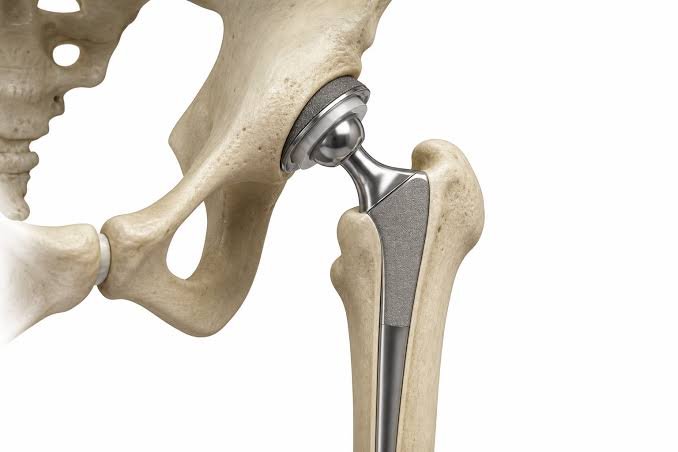
Revision Joint Replacement is a specialised orthopaedic procedure performed when a previous joint replacement becomes painful, loose, worn out, unstable, infected, damaged, or otherwise fails to function as expected.
Unlike a primary joint replacement, revision surgery can be more complex because the surgeon may need to remove the existing implant, address bone loss or damaged tissues, and carefully place new components to restore joint stability and function.
Revision surgery may be required after a hip replacement, knee replacement, shoulder replacement, or other joint replacement, depending on the individual patient’s condition and previous surgery.
Why is Revision Joint Replacement Needed?
A joint replacement may require revision due to several factors, including:
- Implant loosening – The artificial joint components may become loose over time.
- Implant wear and tear – Components can gradually wear down after years of use.
- Joint instability – The replaced joint may become unstable or repeatedly dislocate.
- Infection – Infection around the artificial joint may require specialised treatment.
- Periprosthetic fracture – A fracture may occur around the implanted joint.
- Implant failure or damage – Components may become damaged or fail mechanically.
- Bone loss – Bone surrounding the implant may weaken or deteriorate.
- Persistent or recurrent pain – Ongoing pain after joint replacement may require further evaluation.
Common Symptoms That May Indicate a Problem
Patients with a failed or problematic joint replacement may experience:
- Persistent or increasing joint pain
- Difficulty walking or performing daily activities
- Joint instability or a feeling of giving way
- Recurrent dislocation
- Swelling or stiffness
- Reduced range of motion
- Difficulty putting weight on the affected limb
- Clicking or unusual sensations around the joint
- Fever, redness, or wound drainage when infection is present
Persistent symptoms after joint replacement should be evaluated by an orthopaedic specialist.

How is Revision Joint Replacement Diagnosed?
A detailed evaluation is performed before deciding whether revision surgery is appropriate.
- Clinical Examination: – The surgeon assesses pain, joint stability, movement, strength, walking pattern, and overall function.
- X-rays :- X-rays help evaluate implant position, loosening, wear, fractures, and changes in the surrounding bone.
- Blood Tests:- Blood tests may be recommended when an infection is suspected.
- Joint Aspiration:- In selected cases, fluid may be taken from around the joint and tested to identify possible infection.
- CT or Other Imaging:- Advanced imaging may be used to assess bone loss, implant positioning, or complex joint problems when required.
Expert Evaluation for Revision Joint Replacement
Facing pain or mobility problems after a previous joint replacement? Consult Dr. Dhruva Angachekar in Mumbai for a detailed assessment and personalised treatment plan based on your joint condition.
How is Revision Joint Replacement Performed?
The exact procedure depends on the type of joint, the condition of the existing implant, bone quality, and the reason for revision.
Generally, the procedure may involve:
- Surgical planning based on previous operation details and imaging.
- Removal of the failed or problematic implant components.
- Treatment of damaged bone or surrounding tissues.
- Management of infection, when present.
- Reconstruction of bone and soft tissues, if required..
- Placement of new revision components designed for the patient’s specific condition.
- Assessment of joint stability and movement.
- Closure and postoperative monitoring.
Revision surgery can be technically more demanding than the original joint replacement and requires careful preoperative planning.
Recovery After Revision Joint Replacement
Recovery varies depending on the joint involved, the complexity of surgery, bone condition, and the patient's overall health.
Postoperative care may include:
- Pain management
- Wound care
- Early mobilisation when appropriate
- Physiotherapy and rehabilitation
- Walking or weight-bearing guidance
- Strengthening exercises
- Regular follow-up appointments
- Monitoring for infection or other complications
A personalised rehabilitation programme helps gradually restore strength, movement, balance, and confidence.
Rehabilitation After Revision Surgery
Physiotherapy plays an important role in recovery. The rehabilitation programme may focus on:
- Improving joint mobility
- Restoring muscle strength
- Improving balance and stability
- Gradually increasing walking ability
- Returning to appropriate daily activities
- Reducing stiffness and functional limitations
The rehabilitation timeline differs from patient to patient, particularly after complex revision procedures.
Benefits and Goals of Revision Joint Replacement
The primary goals of revision surgery may include:
- Relief from persistent joint pain
- Improved joint stability
- Improved mobility and function
- Treatment of implant failure
- Management of infection when appropriate
- Restoration of quality of movement
- Improved ability to perform everyday activities
The expected outcome depends on the underlying problem, bone and soft-tissue condition, complexity of the revision, and individual patient factors.
Who May Need Revision Joint Replacement?
Revision surgery may be considered for patients who have:
- A painful or failed previous joint replacement
- Loosening of an artificial joint
- Significant implant wear
- Recurrent joint dislocation or instability
- Management of infection when appropriate
- Restoration of quality of movement
- Infection around a joint replacement
- A fracture around the artificial joint
- Significant bone loss around the implant
- Mechanical failure or damage of the prosthesis
A detailed orthopaedic assessment is necessary to determine whether revision surgery is appropriate.
Can a failed joint replacement always be revised?
Most failed joint replacements can be considered for revision surgery, but not every patient is a suitable candidate. The decision depends on the cause of failure, bone quality, presence of infection, condition of the surrounding tissues, previous surgeries, and overall medical fitness.
Revision surgery may be performed as a single stage or two-stage procedure, depending on the underlying condition
- Single-Stage Revision: The existing implant is removed and replaced during the same operation.
- Two-Stage Revision: Usually considered for certain joint infections, this involves removing the existing implant, treating the infection—often using a temporary antibiotic spacer—and implanting a new joint during a subsequent operation.
Revision surgery is often more complex than primary joint replacement. Your surgeon will carefully evaluate your condition and recommend the most appropriate surgical approach based on your individual needs.
Hear From Our Happy Patients
Read genuine patient experiences and feedback about Dr. Dhruva Angachekar’s compassionate care, orthopedic expertise, and commitment to patient recovery.
EXCELLENT Based on 6 reviews
 Posted on Google

 Smita BhateDr. Dhruva Angachekar helped me resolve a few chronic issues I suffered , pain and restriction in movement and some regular activities. My shoulder blade had stabbing pain , my glute was very painful and hip mobility was compromised, some knee pain too. He assessed my overall mobility, condition and put me onto a specialised sports performance physiotherapist, to realign my kinetic chain , as he had explained to me. It took some months of rehabilitation, but for the 1st time , I got relief without medication and my mobility improved drastically and for good I was extremely happy for the specific recommendations he had advised the sports physiotherapist about, which eventually resolved so many simultaneous issues . I highly recommend him as an Orthopaedic doctor for Sports Injury and he is a Joint Replacement specialist too.Posted on Google
 pradnya jadhavExcellent experience ! Had visited Dr. Dhruv for knee pain and a possible hand fracture! Guided us well through the treatment.Posted on Google
 Prabhash SinghDr Dhruva Angachekar recommended for best orthopedic and sports injury surgeon in Mumbai.Posted on Google
 Antesh AnandHighly recommended orthopedic and sports injury surgeon in Mumbai
Frequently Asked Questions
Yes. Revision surgery can be more complex because the surgeon may need to remove existing implants, manage bone loss, address scar tissue, or treat infection.
The longevity of a revised joint varies depending on the type of implant, bone quality, activity level, surgical factors, and individual patient circumstances.
Not every case is the same. The cause of failure, bone condition, infection status, overall health, and previous surgeries are considered before recommending revision surgery.
Recovery varies depending on the joint and complexity of the procedure. Some patients progress steadily over several weeks, while complex revision procedures may require a longer rehabilitation period.
Physiotherapy is commonly an important part of recovery and helps improve mobility, strength, stability, and function.
Revision joint replacement may be performed as a single-stage or multi-stage procedure, depending on the cause of implant failure, presence of infection, bone quality, and overall patient condition.
Single-Stage Revision:
The existing implant is removed and replaced with a new implant during the same operation. This is commonly performed for mechanical problems such as implant loosening, wear, or instability, and may be suitable for selected cases of joint infection.
Two-Stage or Multi-Stage Revision:
This approach is generally considered for more complex cases, particularly certain joint infections. The existing implant is removed, the affected tissues are thoroughly cleaned, and a temporary antibiotic spacer may be inserted.
Following appropriate infection treatment and reassessment, a new joint replacement is performed during a subsequent operation. Additional stages may occasionally be necessary.
Your surgeon will carefully evaluate the cause of implant failure and recommend the most appropriate revision strategy, considering the complexity of the condition, infection status, and individual treatment requirements.
Connect With Us
Email Address :
ortho.paramount@gmail.com
Location Address :
Sakinaka Junction, Andheri East, Mumbai – 400072
Contact No :
+91-91529 98888
Book An Appointment
Dr. Dhruva Angachekar
Consultaiton Timings:
Monday to Friday : 7:00 PM to 9:00 PM
Saturday on Appointment
Call on:
+91-91529 98888
Paramount General Hospital
Consultaiton Timings:
Monday to Friday : 7:00 PM to 9:00 PM
Saturday on Appointment
Call on:
+91-91529 98888

Specialized orthopedic care for joint replacement, sports injuries, arthroscopy, deformity correction and complex orthopaedic trauma.
OUR TREATMENT
Copyright © 2026 Dr. Dhruva Angachekar. Designed by